
 Srpski jezik
 Русский
 English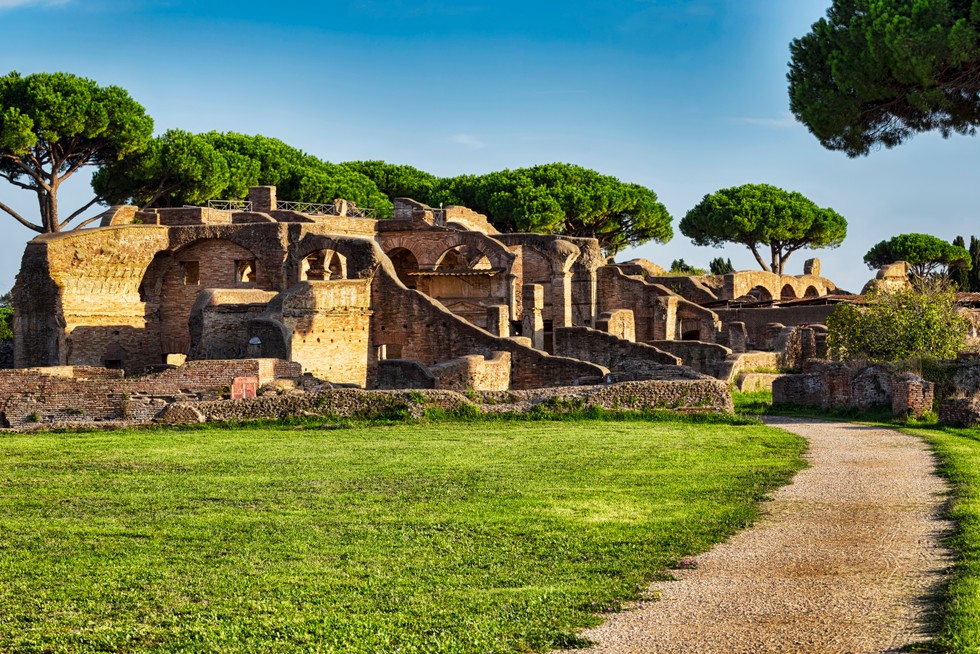
Insulae: The First Apartment Buildings in History and How Ancient Rome Invented Vertical Living
If you ever thought skyscrapers, elevators, and apartment living were modern ideas, it is time to travel 2,000 years back to the heart of ancient Rome. While wealthy elites and senators enjoyed spacious private homes called domus, complete with gardens and baths, the vast majority of the population lived in insulae, multi story residential buildings that became the true predecessors of today’s apartment blocks.
The word insula in Latin means “island.” These buildings occupied entire city blocks and were surrounded by streets on all sides, much like modern high rises standing as concrete islands in a sea of people and traffic.
Rome: The City That Had to Grow Upward
During the early Roman Empire, Rome had between 800,000 and more than one million inhabitants. Land in the city center was extremely expensive, and overcrowding became a serious problem. The solution was revolutionary: build upward.
Most insulae had between four and six floors, although some reached eight or even nine stories before height restrictions were introduced. According to regional catalogs from the 4th century, Rome contained between 42,000 and 46,000 insulae, compared to only around 1,790 private houses known as domus. This means that the overwhelming majority of Romans lived in these multi story buildings.
The best preserved examples of insulae can still be seen in Ostia Antica, Rome’s ancient port city, where buildings were more solidly constructed and often featured balconies, inner courtyards, and even frescoes. In Rome itself, only one major example survives today: the Insula dell’Ara Coeli on the slope of Capitoline Hill, a five story building dating from the 2nd century CE.
An Upside Down Luxury System: The Lower the Floor, the Better
Unlike modern apartment buildings, where top floors are considered the most prestigious, ancient Rome followed the opposite rule:
- The ground floor was the most comfortable and expensive. It often included larger rooms, shops and workshops called tabernae, and sometimes even access to running water.
- Higher floors became smaller, darker, and cheaper. Apartments at the top were cramped, poorly lit, and badly ventilated.
Residents climbed stairs because elevators did not exist. Wealthier citizens avoided upper floors because of noise, extreme temperatures, and greater danger.
Daily Life and Its Challenges
Life inside the insulae was far from easy:
- Water and hygiene: Running water from aqueducts rarely reached above the ground or first floor. Residents living higher up had to carry water by hand from public fountains using heavy containers. Sewage systems usually existed only in the lower parts of buildings. On upper floors, people used chamber pots that were often emptied directly out of windows onto the streets below.
- Disease: Poor ventilation, humidity, overcrowding, and bad sanitation contributed to the spread of infections and disease.
- Fires and collapses: Many insulae were built quickly and cheaply, often using wood. Fires were extremely common and spread rapidly. Buildings sometimes collapsed because of weak foundations or excessive height.
The First Urban Planning Laws
Because accidents became so frequent, Roman emperors were forced to intervene. Emperor Augustus introduced a height limit of around 20.7 meters, or 70 Roman feet. After the Great Fire of Rome in 64 CE, Nero imposed stricter construction regulations, and Emperor Trajan later reduced the maximum height to about 17.75 meters, or 60 Roman feet. These regulations are considered some of the earliest true urban planning laws in history, including height restrictions, improved building materials, and fire prevention measures.
A Lesson from the Past
Although living conditions in many insulae were difficult, the Romans were the first civilization to apply vertical urban housing on a massive scale in an overcrowded city. They combined shops on the ground floor with apartments above, and the concept of shared life inside multi story buildings became one of the foundations of modern urban planning.
Today’s skyscrapers, apartment towers, and elevators provide far greater comfort, but the basic idea of cities growing upward was pioneered by the Romans.
The next time you step into an elevator or carry a bottle of water up to a higher floor, remember the Roman residents who climbed those same stairs on foot every day while carrying heavy water containers and hoping their building would not catch fire or collapse.
Could you imagine living on the sixth floor without an elevator, without running water, and with a constant danger of fire? How does Roman vertical living compare, in your opinion, to modern apartment life?